
/images/share.png)
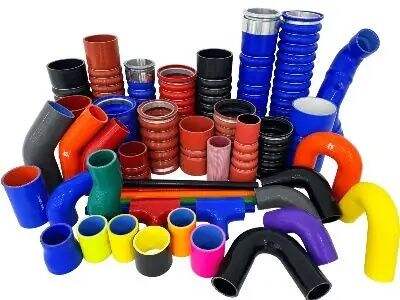
Looking after your chemical delivery hose is important to ensure its effectiveness. A quality hose will carry chemicals safely and swiftly. Proper care will enable it to perform at its best for a longer lifespan. We at Demai know how critical it is to keep your equipment functioning optimally, therefore we present five maintenance tips to help you properly care for your chemical delivery hose
What are some Essential tips for Maintaining your Chemical Delivery Hose
Always inspect your hose for signs of damage like cracks or leaks. If any issues are discovered, consider replacing the hose, because even the slightest crack may result in future problems. Always keep your hose clean, as residual chemicals are very harmful to the hose, clean with warm water and mild soap and then rinse thoroughly. Also store your hose correctly; when not in use, hang it or coil neatly, avoiding direct sunlight which causes damage to material, and also avoiding coiling tight or leaving kinks that wear it out. Finally, check your connections, because leaks are an enormous safety hazard and connections must be tight, so check all connections often to see if they may need tightening, or if the hose is properly seated and not wobbly
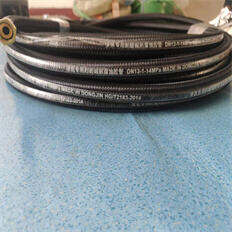
How to Make Your Chemical Delivery Hose Last Longer
A chemical delivery hose can have an increased lifespan if certain maintenance practices are followed. You should, first of all, flush out the hose after each use by passing it through with some cleaning stuff or simply with some water to get rid of remaining chemicals as they might corrode the hose. Furthermore, do not drag it over rough surfaces as that may leave cuts that compromise the integrity of the hose; therefore lift it or use protectors if necessary. Remember to check the temperature. Some chemicals are very unstable under varying temperatures, but the hose itself is not immortal under varying temperature. Always ensure the hose has the rating appropriate for high temps. Also consider that the hose's lifespan will be somewhat influenced by its age; rubber and plastic do degrade over time, so if it looks bad, perhaps replace it before it gives way unexpectedly
Common Problems with Chemical Delivery Hoses and Ways to Avoid
A chemical delivery hose is a crucial piece of equipment, particularly in chem. Industries as it is used for transporting liquids but a couple of issues commonly plague them when they are used incorrectly. A major problem is kinking the hose, which occurs if the hose is allowed to fold sharply thus restricting the flow of the chem inside. The simple practice of avoiding any tight bends while using the hose will resolve this. The other problem is using an inappropriate hose for a certain chem, or type of chem; the wrong hose could potentially cause irreparable damage to the hose or even an accident by reacting with the chem itself and degrading the hose or compromising its strength; therefore, make sure your Demai hose is compatible with the particular chemical that it is being used with. Always remember to keep your hose clean as well as leaving chemicals sitting in the hose can cause it to degrade over time. Lastly, be wary of excessive heat, because as much as the chem may be resistant, it can still cause the material to become too heated up in the hose and thus weaken it
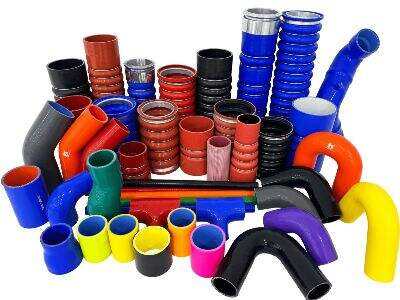
How to Store your Chemical Delivery Hose Right for best Use
Storing a chemical delivery hose properly is very essential as otherwise it can lead to various damages which ultimately impact upon the efficiency with which it functions. The very first thing to remember is always clean the hose before storing. Chemicals leave a corrosive residue that can affect the hose as we've already seen; therefore, rinse it thoroughly with water and allow it to completely dry to prevent the growth of mildew and unpleasant odor. After the hose has been cleaned, a place should be designated where it will be stored. The hose should not be kinked by tightly coiling it; hence the ideal storing places include where it may be laid flat, or coiled into loose circles. Always store your Demai hose away from direct sunlight; sunlight damages many different materials and could greatly compromise the strength of the hose, hence keeping it somewhere out of the way such as a shed, or protected by some sort of cover or box when not in use should ensure that it does not get damaged by UV radiation; it should also not be left sitting on the ground, as dirt and insects might potentially damage it, therefore hanging on a hook should be ideal
How to Spot Wear Signs in Your Chemical Delivery Hose
The process of regular hose inspection is really important as it helps to ensure that any signs of damage that may occur on your chemical delivery hose are identified as early as possible to prevent the worst. A number of factors have been determined to be initial signs that your hose is undergoing significant wear; these include visual cues that could be as apparent as a crack or split developing in the hose, which is the first and obvious sign that the material may be breaking down. Other warning indicators can include discoloring, where the hose turns an abnormal hue due to materials degrading within it. If your hose is losing its suppleness and becoming stiff and inflexible as it ages, then you know the time has arrived for it to be replaced, as is the case when you begin to hear unusual noises such as a faint hiss or a drip, which can signal a leak. In conclusion, always look closely at your connections as rust and corrosion may indicate a poor connection and can eventually lead to serious issues, so get the problems resolved to help maintain the function and lifespan of your Demai hose
Table of Contents
- What are some Essential tips for Maintaining your Chemical Delivery Hose
- How to Make Your Chemical Delivery Hose Last Longer
- Common Problems with Chemical Delivery Hoses and Ways to Avoid
- How to Store your Chemical Delivery Hose Right for best Use
- How to Spot Wear Signs in Your Chemical Delivery Hose