
/images/share.png)
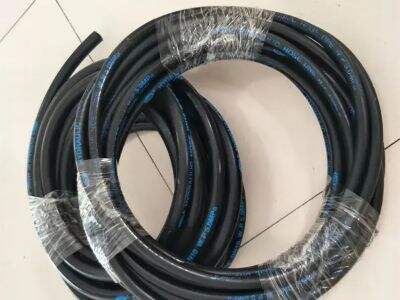
It is a necessity to test high pressure hoses frequently to keep both the user and the equipment safe, also to maintain high performance. These types of hoses can be found on a wide variety of sites, ranging from building sites and factories to farming practices. Failure to check them properly could cause excessive wear and eventual breakages which can and will cause various complications and situations. That's why doing checks as a routine is a must. At Demai, we focus on safety and like to show you ways to keep your high pressure hose connectors looking good.
What Are the Best Ways to Check High Pressure Hose Condition?
Your high-pressure hoses can be protected starting with a visual inspection. Ensure they are not cracked, scratched, or shows any sign of wear and tear. When you discover a damage, it is best to replace the hose instead of risk having it break. After the visual test, a pressure test would be the next step. Add water or air to the hose and see if any leaks appear. It is important to only add the appropriate pressure based on the manufacturer recommendations. Air bubbles or a hissing sound would indicate a leak in that area. Wear safety gear, such as gloves and eye protection while performing this test, as there is no telling what might happen. It would be ideal to record the information from these inspections and tests. Record when the tests were performed, and what the results were to ensure you are keep track of the hoses' condition over time. Don't forget to test the fittings and connections! They are prone to rust or cracking as well. If they appear to be faulty, quickly replace them before it becomes a hazard. Lastly, clean and properly store hoses when not in use. Try not to leave them in the hot or freezing temperatures, as this may contribute to them breaking over time.
What Tools Do You Need for Good High Pressure Hose Checks?
For checking high-pressure hoses well, you need certain tools. A pressure gauge come first. It show the pressure level in hose during test. This make sure you stay in safe ranges. Then, a hose mirror is useful. It let you see tough spots on the hose. Like a little mirror on stick! Some soap water mix help too. Bubbles from it find leaks in pressure tests. If bubbles appear, problem exist. A wrench help tighten fittings. Loose ones cause leaks, so check tight! In addition, a repair kit is good to have. It got clamps, sealants, patches for fast fixes. Deal with small issues right then. Finally, personal protective stuff like gloves and glasses keep you from splashes or bits. All these tools together help hoses stay in good shape. Regular checks key for safety and work!
How to Do Regular Checks on High Pressure Hoses for Bulk Buyers?
When buying high-pressure hoses from Demai, check them regular is key. These checks ensure hoses safe and perform good. Start by looking at hose outside. See for cracks, cuts, holes. If damage there, don't use it. Replace immediate to stop accidents. Next, squeeze hose soft. It should feel solid, not squishy. If weak, it might not work right. Also check ends where connect to gear. Make sure tight, no leaks. Leaks waste stuff and cause issues.
Another part is hose fittings. They connect to machines. Ensure no rust or damage. If rust show, replace them. After outside, look inside hose if can. Use light to see. No dirt or junk inside. If see some, clean careful. Good to check storage too. Keep hoses cool dry, away sun. Proper store make them last. Set schedule, say monthly, so you remember. With regular checks, Demai fuel hose high pressure stay fine.
What Common Errors to Skip in High Pressure Hose Testing?
Although high pressure hose tests are of high importance most carry them out incorrectly. The biggest problem with most is that they are not tested frequently enough. Many owners visually inspect a hose, assuming that it is satisfactory where as in actual fact faults could be deep within. Create a testing schedule. The second mistake to look out for is test equipment not being appropriate for use with high pressure hoses. Poor quality equipment can result in incorrect findings or cause irreparable damage. Reading the manufacturer's instruction is important as hoses can vary in type and make. Adhere to Demai's high pressure hose testing instructions to prevent fatal mistakes. The third problem with carrying out tests on high pressure hoses incorrectly is not detecting a leak accurately. A mixture of soap and water can be placed on any joints; a leak is visible if bubbles are created. Finally, a record of the tests and results should be maintained; this will aid with finding any trends and be an efficient reminder of your next test.
How to Follow Industry Rules for High Pressure Hoses?
To use high pressure hoses safely, adhere to all relevant industry guidelines. This will ensure safety for all involved. Understand relevant guidelines-official sources, trained individuals will inform you of the rules. Demai provide information guides on correct procedures. Understand them fully. Check if the hose meets all the necessary specifications for high pressure usage, looking at both the material and construction. Train staff. Every person who works with or around high pressure hoses should understand the associated guidelines and use of the hoses. Conduct training sessions focused on working safely around these items. Regular checks such as those above will maintain compliance and prevent problems. If any hose does not meet the relevant requirements it should be removed immediately.
Keep records good too. Note all checks, tests, trainings. This prove you follow. If asked, show records. Stay update on rule changes. They can shift, so know new stuff. By doing these, Demai high pressure hose meet standards and keep safe.