
/images/share.png)
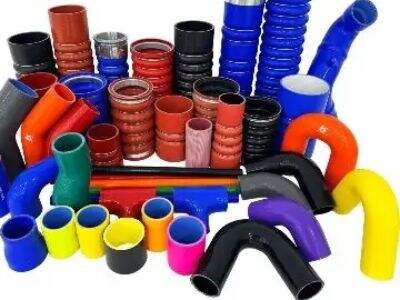
Using harsh fluids requires the right gear; one crucial component of that gear is a chemical transport hose. These hoses are designed to handle aggressive liquids safely without bursting or leaking. In your industry, dealing with acids, bases, or strong chemicals; a quality hose from a company like Demai can be a lifesaver both to equipment and personnel. Choosing the right chemical transport hose could really change the dynamic of your safety and workflow
How to choose the correct hose for harsh fluid applications
Choosing the correct chemical transport hose for use with harsh fluids requires careful consideration. What type of fluids do you use? Some hoses work better for certain chemicals than others; for acids, you need a hose that can resist acids. Be on the lookout for chemical resistant materials like Teflon, or treated rubber. Also consider temperature; how hot or cold is the fluid you are using? Some hoses are designed to be used in extremely low temperatures and some to resist high heat
Another aspect you should consider is size. You want the hose to fit properly within your apparatus; if a hose is too big or too small it can either leak or be incredibly difficult to manage. Length is another factor to consider. If you need a hose that reaches across a long distance, you will need a longer hose, although keep in mind that longer hoses are less efficient and pressure can drop a bit. You also need to ensure the hose can withstand high pressure as harsh fluids often reach high levels of pressure. Lastly consider your work environment and get a hose that can withstand the sun or bad weather if necessary. If you follow these guidelines then you will likely be able to find a good chemical transport hose from Demai to suit your needs
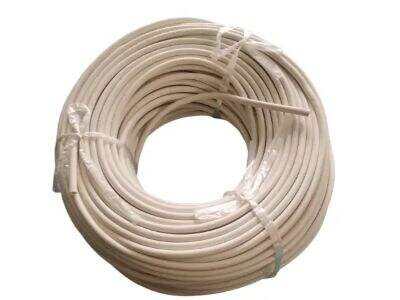
Where to purchase high quality chemical transport hoses in bulk
For businesses that use harsh fluids, acquiring high quality chemical transport hoses for bulk purchase can be essential to their success. One of the primary options for sourcing these products is to work with a manufacturer who specializes in chemical transport hoses; Demai is one such manufacturer. You can consult their website or give them a call to discuss your product needs with a representative and learn about the best available products from them. Another way is through your local industrial supply store. These stores often carry a variety of hoses and can provide advice on the best type for your specific application and you'll receive your order faster this way. Purchasing through online retailers can be an option to get a great deal on hoses, but be sure to do research into sellers and products to ensure you are getting a quality hose for the money. Finally, trade shows and events can be a place to discover new manufacturers and suppliers for hoses; there, you can talk directly with manufacturers representatives and touch the products themselves. If you are looking for a new chemical transport hose supplier, going to an industrial trade show could help you to secure long-term business relationships with companies that specialize in chemical transport hoses
Premium chemical transport hoses have specific features
Specialy treated inside lining, this prevents damaging the hoses themselves when in use with specific chemicals; this keeps the hoses safe and functioning. Flexibility is also a key feature of high-quality hoses: they can easily curve, twist, and fit onto connecting machinery without compromising their ability to carry chemicals. Durability is crucial because hoses are often used with substances that can wear them down over time, leading to cracks or holes; high-quality hoses resist the chemicals they transport. Their lighter weight means they are easy to carry around job sites. This makes the hoses user-friendly as carrying the same heavy hoses on your job sites will tire you out easily. This allows workers to do their job and remain mobile without the additional fatigue
Maintaining chemical transport hoses
Always check hoses before each use. Are there cracks or holes? Any damage should prompt a replacement before use. Always store hoses in a cool, dry location that is free of direct sunlight or extremes in temperature. Sunlight and high temperatures can weaken hoses over time. Do not store hoses in a way that makes them kink. Kinking can damage hoses and make them harder to use. Regular cleaning will also extend hose life. Use mild soap and water to clean hoses once they are finished with use; be sure to rinse thoroughly. This process will prevent the accumulation of residues that can deteriorate the hoses. Label the hose so that employees can be assured of what liquid it can safely transport
Always follow the manufacturer's guidelines regarding the safe usage and storage of your chemical transport hoses. Following these guidelines will help to ensure that your hoses remain as effective as possible. Regularly inspect your chemical transport hoses for any signs of wear or damage. Check for cracks, tears, or leaks in the hose; this preventative step will keep workers safe and the hoses working properly. Be sure not to over-pressurize your hoses, as each one is rated to a certain level of pressure; using a hose beyond this level will damage it and possibly cause a serious leak. Always use the proper connectors when attaching a hose; doing this will ensure a strong seal that will help to prevent leaks. Finally, ensure that all workers who handle chemical transport hoses receive training on their proper use and care; this training should emphasize safety and how to maintain hoses properly